
Topic and study design
Narrow an idea into an answerable question and match methods to available fields, samples and access.
Outputs: a focused question, feasible route, material gaps and next steps.
Trace each important claim in your paper back to its evidence.
Start with a topic, field list, draft or reviewer comments. Get an inspectable study plan, revision priorities and a response tracker.
A survey draft calls an association causal and treats a confidence interval that crosses zero as significant.
Check what the data could answer and prepare a study design or a clearly unrun analysis plan. Execution requires actual data, tools and permission. Reviews are AI simulations. Authors verify data and citations and decide what to submit.
For graduate students, teachers and researchers conducting empirical studies. The method references primarily draw on management and economics; other social-science applications require context-specific adaptation.
Narrow an idea into an answerable question and match methods to available fields, samples and access.
Outputs: a focused question, feasible route, material gaps and next steps.
Connect literature, concepts and hypotheses. Distinguish verified metadata, inspected full text and unverified sources.
Outputs: a literature evidence table, framework and stated hypotheses.
With data, tools and authorization, assist cleaning, variables, code, tables and interpretation. Otherwise provide clearly unrun scripts and steps.
Outputs: an analysis plan, code and actual execution status.
Improve structure, reasoning and expression around one main manuscript. Derive presentation outlines from the corresponding draft and results.
Outputs: selected revisions, reasons for changes and presentation outlines.
The domain role reviews contribution and positioning; the methods role reviews design and inference, each with located, evidenced priorities.
Outputs: two AI review reports and prioritized revisions.
Map actual reviewer comments to actions, changed locations and evidence. Save progress when requested so the next task can continue from existing work.
Outputs: a revision tracker, response draft and project handoff.
The examples below illustrate the output structure. They are explanatory examples, not customer cases or completed research findings.
“I have a direction but no data yet.”
Focus the question → assess data access → outline a route → ask one key question
“Find the three most valuable changes before rewriting.”
State what was read → review from two perspectives → prioritize → revise selected parts
“Map these comments to changes and responses.”
Preserve comments → define tasks → record locations and evidence → list unfinished items
Talk with editor-in-chief Cheng Qian’guan, who coordinates the roles needed for the task and consolidates findings and disagreements. All members below are AI roles illustrated by product artwork.

Coordinate tasks, findings, disagreements and next steps.

Check literature and data sources, recording evidence levels.

Define the question, data requirements and feasible study route.

Develop concepts, hypotheses and explicit assumptions.

Prepare analysis code, tables and execution records.

Revise manuscript sections and derive presentations.

Check claims, citations and manuscript–code consistency.
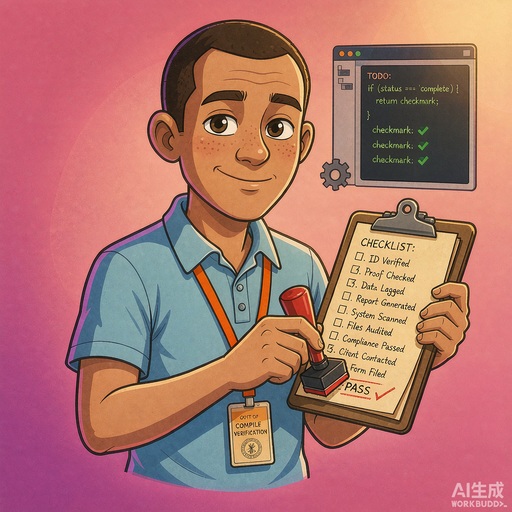
Inspect execution evidence, environment and reproducibility.

Provide AI review of contribution and literature positioning.

Provide AI review of design, estimation and inference.
State what was actually read, deliver useful work now and ask for the most valuable missing detail. Limited materials can still yield a clearer route.
Track citation verification levels and actual versus pending execution. Keep unchecked items visible; optional scores only describe internal progress.
Assign design, analysis and writing separately, then check quality and execution evidence. Preserve the findings and disagreements of domain and methods reviews.
The website describes version 1.1.1; the product is now available on WorkBuddy. Further improvements will draw on real tasks and user feedback, with changes documented in release notes.
Two AI review perspectives help uncover blind spots; they are not journal peer review. Member calls, analysis execution and saved outputs follow the actual results of each task.
This is the price for this expert team, with purchases and usage rights managed by WorkBuddy. The team is approved and now available on WorkBuddy. Usage rights, refund rules and the available version follow the platform purchase page.
Use its ten-role workflow, material checks, design, literature and theory, analysis, writing, AI reviews and revision continuity, subject to materials and runtime conditions. Model quotas, platform membership, databases and tools follow their respective service terms.
Analysis requires actual data, tools and authorization; otherwise outputs remain clearly unrun plans. Authors verify data, citations, ethics, authorship and AI disclosure, and decide what to submit. Publication outcomes are not guaranteed.
Share the version, task goal, expected and actual results, and only necessary redacted excerpts to help improve workflows, templates and guidance.